Nageen Shaikh is an indie editor specializing in developing and refining texts for books, papers, and other formats, published by arts and culture organizations and individuals. She is an art historian, critic, and industrial designer by training. Presently, she is the Associate Editor at The Karachi Collective.
Prior to her independent practice, she worked in arts management and research, donor solicitation, and youth counselling with organizations like the British Council, The Citizens Foundation, and Karachi Biennale Trust. Her archival and editing projects include working with the Gulgee Museum and Teesside University, UK. She has developed liberal arts curricula and taught undergraduate courses at the Indus Valley School of Art and Architecture, Imperial Tutorial College, and Institute of Business Administration-Karachi.
Nageen frequently writes for art and culture platforms including Hyperallergic, The Karachi Collective, The Brooklyn Rail, and others. Her work stays committed to freedom of speech, non-ornate language, and creating accessibilities between art, culture, and diverse global communities.
To see how she may support your written projects, please click here.
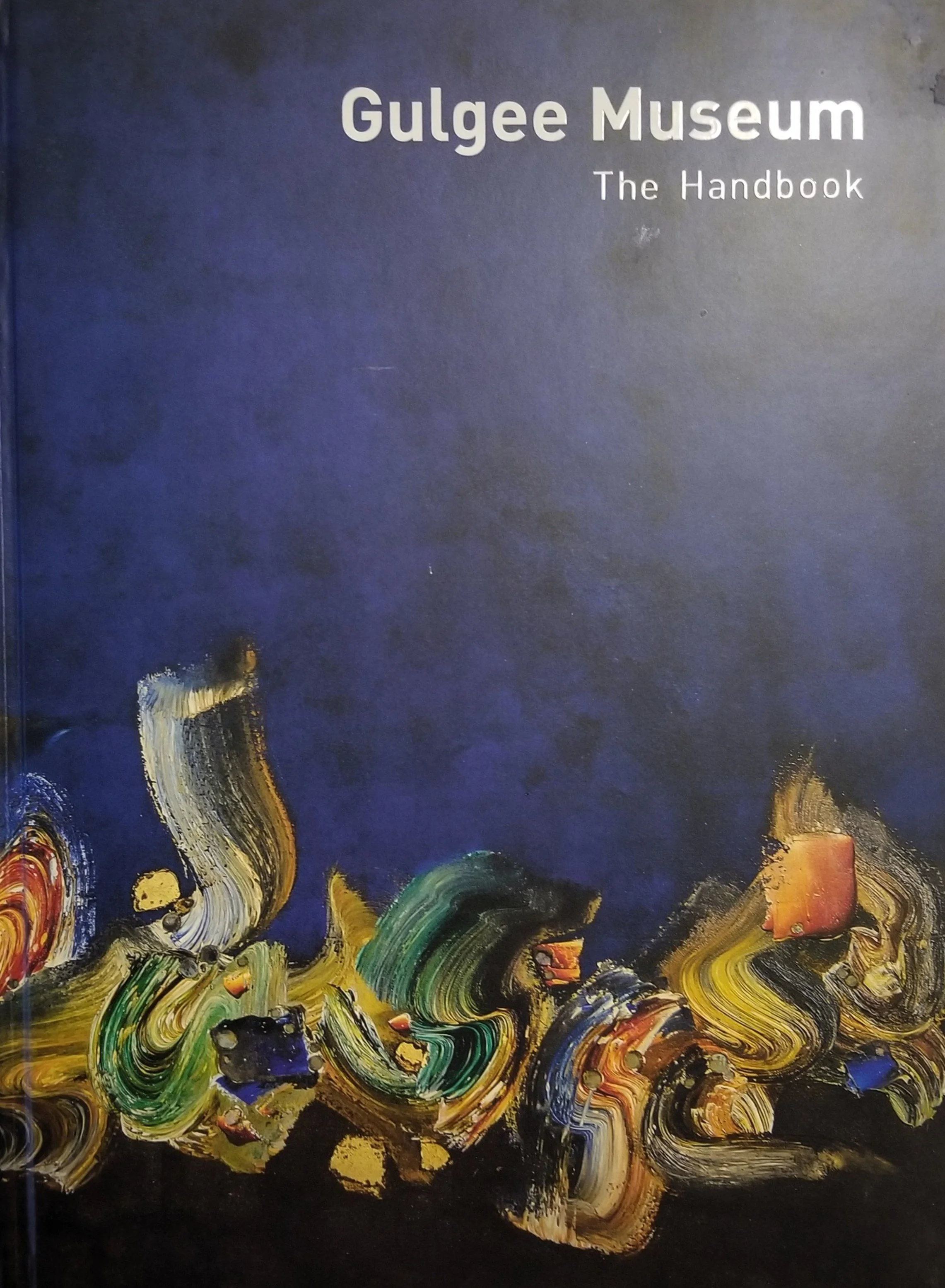
The recently published essay, “The Networked Gulgee,”The Gulgee Museum Handbook, edited by John McCarry, (Lightstone Publishers: 2025) considers Pakistani modern artist Ismail Gulgee’s works under the framework of Actor-network theory.
“The essay investigates Ismail Gulgee’s art practice in his formative years from the perspective of Actor-Network Theory (ANT) to understand networks between actors such as artist and patrons, and the role of mediating quasi objects such as gifts, nuances of written language, and art mediums like lapis lazuli in building Gulgee’s relational ties. In centering this essay on Gulgee (d. 2007), a purpose is to also demonstrate interdisciplinary methodology for an art historical inquiry. ANT can be valuable in helping us describe the growth of ‘processual knowledge’ cultivated by the artist and open avenues for future studies investigating the progressive stages of Gulgee’s fifty-year career.”
Shaikh defines ‘processual knowledge’ as the combination of idiosyncratic artist methods, materialities, evolving pictorial conventions, studio environments, and out of studio processes undertaken by the artist. Processual knowledge entangles with networks or channels like movement of materials and equipment, market, resources, distribution, artisanship, craft, and others.
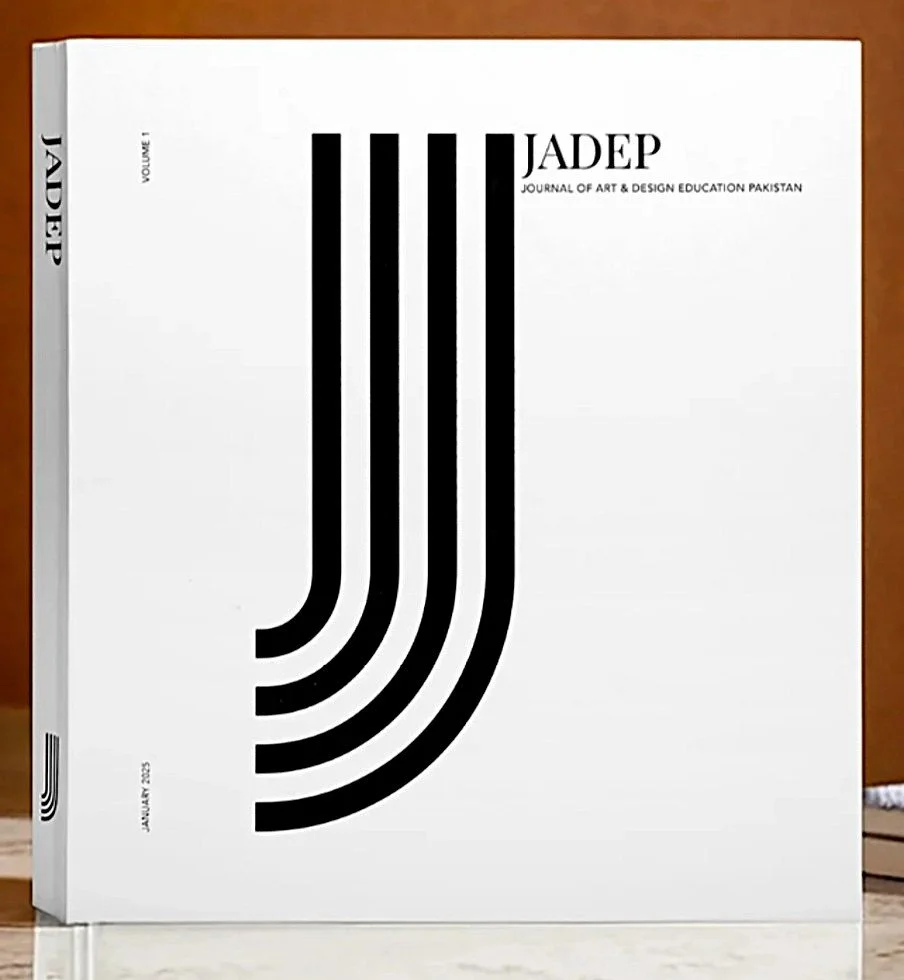
Nageen Shaikh’s research queries materiality, spatiality, and networks that affect artworks as they emerge before, during, and after the layered processes of artmaking within artists studios, workshops, economies, and histories. Her paper on Shazia Zuberi’s ceramic studio processes was published in the peer-reviewed Journal of Art and Design Education Pakistan.
“Past scholarship on ceramics in Pakistan has broadly focused on regionally disseminated craft-based practice or studio-based ceramists under a biographical or a feminist lens. A study of what triggers the studio artist’s imagination merging with her processes is missing in the literature and thus, creating a void that manifests as ignorance of an artist’s ingenuity and contemplative and physical endeavors. Based on ethnographic participant observation and in-depth interviews conducted, my paper identifies Zuberi’s studio as the mediating space between her out-of-doors experiences and indoor processes. This fusion results in ‘geographical ceramics,’ which are formal representations of the earth, while symbolically suggesting human history and erosion of ethics.”
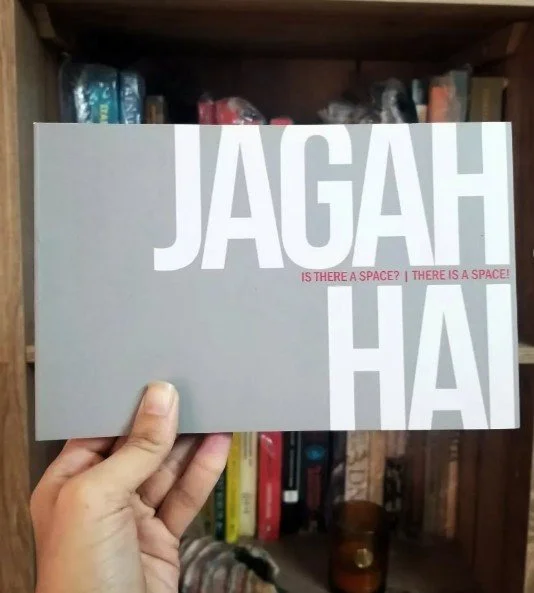
In a catalog essay, “A Strange Multiverse of Many Beating Hearts,” for the performance art exhibition Jagah Hai: Is There a Space | There is a Space, curated by Amin Gulgee, Sara Pagganwala, and Adam Fahy-Majeed at Amin Gulgee Gallery (Karachi), Nageen Shaikh ruminates over our complex relationships with sprawling and chaotic cities.
“I idealize that Karachi ought to be like a gorgeous painting which brings peace. Like the beautiful “Germination” by S. H. Raza, Karachi is textured, earthly, balanced, and universal. In truth, Karachi is muddled and messy like an abstract painting with paint dripping from all sides. The city demands incessantly, leaving some type of scarring every now and then. Here, push comes to shove to cope and meet expectations within space that is expanding like the big bang – tiring, unyielding, and unceasing.”
Nageen’s book recommendations can be found on Instagram @pressedpulpandink
Here’s how to pronounce her name: Na (as in nut) g (as in gray) een (as in eel)